
- All
- Product Name
- Product Keyword
- Product Model
- Product Summary
- Product Description
- Multi Field Search
Views: 0 Author: Site Editor Publish Time: 2026-03-04 Origin: Site


Warehouses and distribution centers are undergoing a massive transformation. Facilities that once relied entirely on manual labor are now adopting advanced automation to keep up with surging consumer expectations. At the center of this shift is the AGV forklift, a machine designed to move materials without direct human intervention.
Understanding the shift toward automated systems is crucial for any facility manager or business owner. Adopting an intelligent forklift fleet can drastically reduce operational bottlenecks and improve site safety. As supply chains become more complex, relying on traditional methods often leads to inefficiencies and higher long-term costs.
This post explores the current trends driving the automated guided vehicle (AGV) market. You will learn about the technological innovations making these machines smarter, the reasons behind their growing demand, and how automatic handling is reshaping logistics. By the end of this article, you will have a clear view of where warehouse technology is heading and how to position your own operations for success.
For decades, material handling required operators to manually drive machines across massive warehouse floors. This process was functional but susceptible to human error, fatigue, and physical limitations. The introduction of the intelligent forklift changed the baseline for productivity. These machines use a combination of software and hardware to map routes, detect obstacles, and move goods autonomously.
The shift toward automatic handling is not just a passing phase. Businesses face a tightening labor market and need reliable ways to maintain high throughput. Automated guided vehicles step in to fill these gaps. They work around the clock, require minimal lighting or climate control, and follow strict safety protocols. This reliability makes them an attractive investment for companies looking to stabilize their supply chain operations.
Several factors are pushing companies to rethink their material handling strategies. E-commerce demand continues to stretch facility capacities. Consumers expect their orders to be picked, packed, and shipped within hours. Meeting these expectations with a strictly manual workforce is difficult and expensive.
Labor shortages also play a significant role. Finding and retaining qualified forklift operators is a persistent challenge for warehouse managers. An AGV forklift offers a reliable alternative that operates consistently across multiple shifts. By automating the repetitive task of moving pallets from point A to point B, companies can reassign their human workers to more complex, value-added tasks.
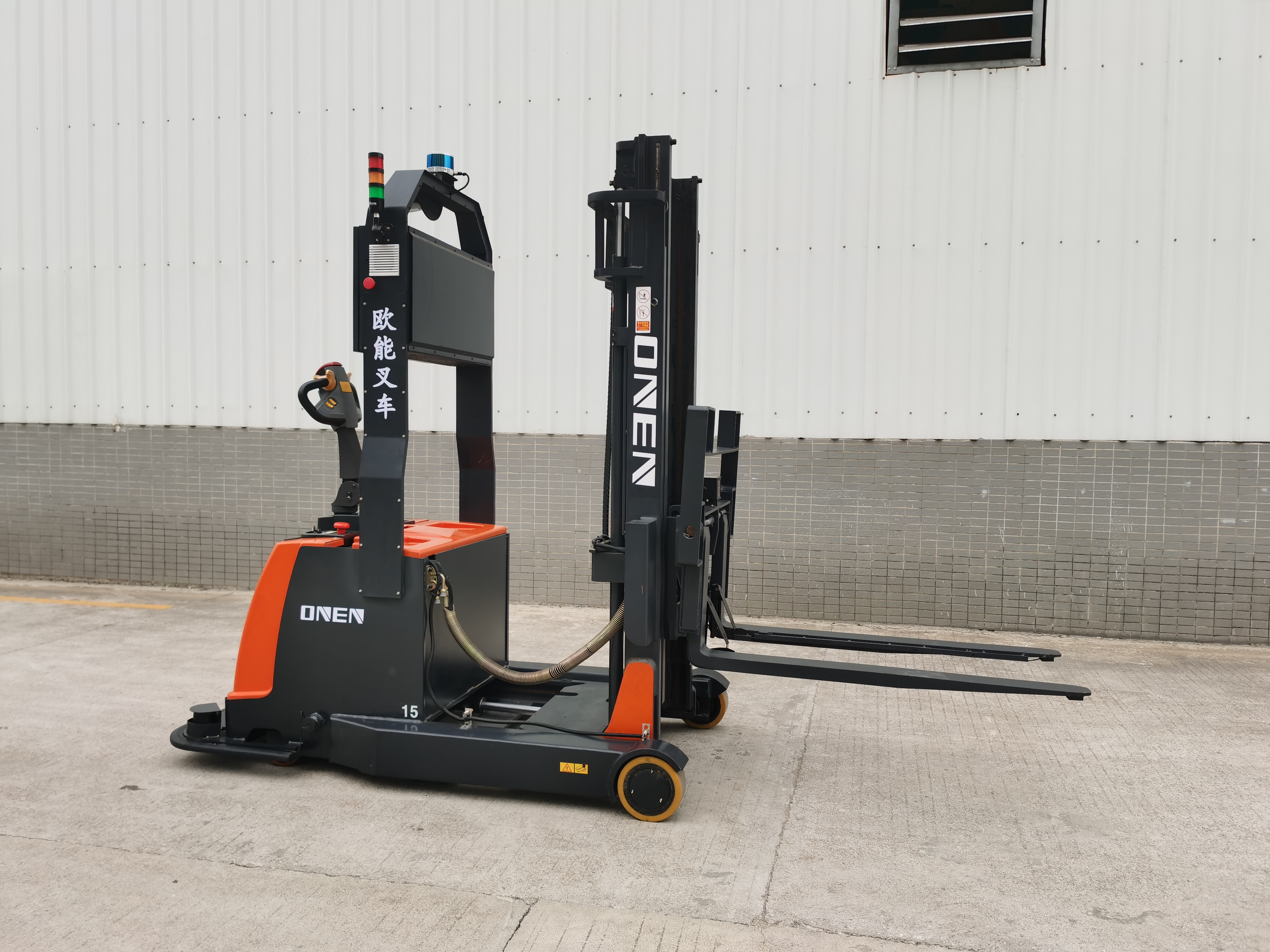
The capabilities of automated vehicles have expanded dramatically over the last few years. Early models required physical guide wires or magnetic strips installed directly into the warehouse floor. Modern machines use far more sophisticated navigation methods to find their way around a facility.
Contemporary models often rely on LiDAR, cameras, and advanced algorithms to map their surroundings in real time. This technology allows the equipment to understand its exact position within a building without needing extensive infrastructure changes. If a pallet is left in the middle of an aisle, the machine can detect the obstruction and calculate a new path safely.
This level of adaptability makes integration much smoother. Facilities do not need to shut down for weeks to install tracks. Instead, the vehicles learn the layout and begin working alongside human employees with minimal disruption.
Power management is another area seeing major improvements. Many automated forklifts now utilize high-efficiency battery systems that charge quickly and run longer. Some systems are even programmed to return to their charging stations automatically when their power levels drop, ensuring the fleet remains operational without human oversight.
Safety innovations are equally important. These machines are equipped with a 360-degree field of vision. They can detect a person walking out from behind a rack and stop instantly. Professional manufacturers heavily prioritize these features. For example, ONEN Forklifts, a company with over 30 years of manufacturing experience, emphasizes European design styles and high-strength structural parts to ensure safe and durable operation. Their focus on integrating ergonomics, safety, and intelligentize features into their warehouse equipment highlights the industry's commitment to creating reliable automatic handling solutions.
The appetite for automation is not limited to a single sector. Multiple industries are recognizing the benefits of upgrading their fleets. Manufacturing plants use automated stackers to move raw materials to production lines right on time. This precise delivery keeps manufacturing moving smoothly and reduces clutter on the factory floor.
The food and beverage industry is also a major adopter. Cold storage environments are harsh on human workers, leading to frequent breaks and high turnover. Automated equipment can operate in freezing temperatures without issue, moving perishable goods quickly to maintain the cold chain.
Retail distribution centers similarly benefit from these systems. They must handle a massive variety of SKUs and constantly adapt to seasonal volume changes. An intelligent forklift can easily adjust to new workflows or warehouse layouts as inventory shifts, providing the flexibility needed to handle peak shopping seasons.
The transition to automated material handling requires careful planning. Start by evaluating your current workflows to identify repetitive, high-volume movements that are prime candidates for automation. Moving pallets from the receiving dock to a staging area is an excellent starting point.
Next, partner with experienced manufacturers who understand the nuances of warehouse equipment. Look for providers that offer robust support, high-quality structural components, and advanced control systems. Training your staff to work alongside these new machines is equally vital. When employees understand how the technology works, they can collaborate with the equipment safely and efficiently.
Taking these proactive steps will help you build a resilient, efficient, and modern facility ready to meet the logistical challenges of tomorrow.


